This is one of a very select number of shows that everyone should see – and I hesitate to call it just a “show”.
Full of heart, laughter, truth, and music, Come From Away is a tale of a town called Gander, and a recount of the people who found themselves there during the event of September 11, 2001. 38 planes were redirected to this tiny town in Newfoundland off the coast of Canada, where the townsfolk scrambled to feed, accommodate, clothe, and comfort theses Come From Aways. This one-act story utilises an Irish folk music-influenced score, with fiddle, tin whistles and Irish flute, keys and accordion, percussion, drums, mandolin, guitars, and bass. There’s a lot to love in this score, and though the subject matter of the plot may be quite serious, there is some wonderful humour and hope to be found.
The music barely stops throughout the 1 hour 45 minutes, which feels short for a musical, but ample for the players. You can’t fall asleep during any moment, not that you’d want to, and this musical does a tremendous job of seamlessly moving between acommpanying/scene music and song. Everything is timed and choreographed and appears effortless.
There are some wonderful “choral” moments for the cast too, as well as the belting solo of “Me and the Sky”, needing a strong vocalist with a lot of stamina.
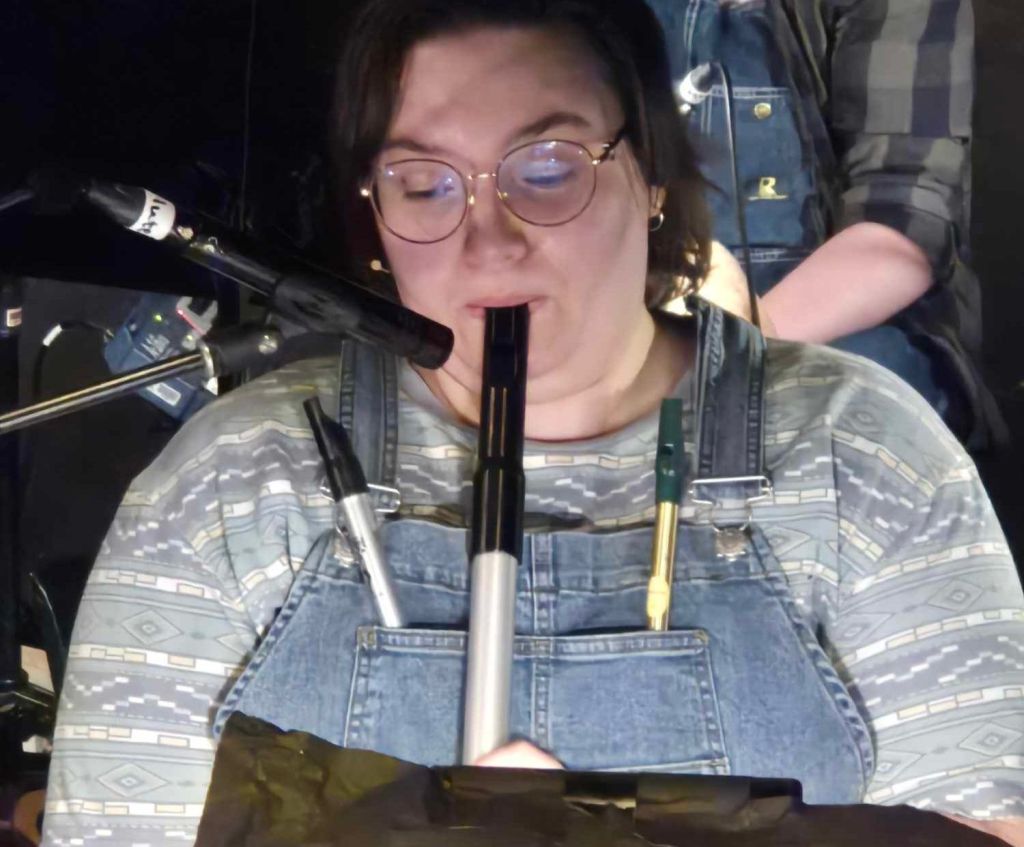
The band is on the side of stage for this, making up part of the set – or at least, the back of the piano is seen at all times. There is a scene in the middle that maintains its place as my favourite musical theatre moment for the musicians: the band steps out from behind the curtain to participate in the scene. Playing live on stage, in costume, with a modicum of choreography (as much as a muso can handle) is a wonderful thing. For the whistle player, figuring out how to holster and switch between 6 instruments while on stage was a fun challenge. I had overalls with 5 pockets, and the bass player loaned me a bow sling for the flute. It worked out well. It’s also something different getting mic’d up before a show so you’ll be heard whilst dancing on a table.

I think this was the first time I felt like I got to know the cast of a show I’ve played. I’m not sure if it was the more “mature” or “seasoned” cast we had, or the sharing of the stage, or the spending time getting ready, or a combination of all the above. But whatever the reason, this was a stand out production as a musician. Theatre people are pretty cool people. This show changed how I saw myself and the musician’s role on and off stage in productions, for the better.
I want to share my side of the story of how I came to play tin whistles and flutes for Come From Away: My good friend Phillipoi Keavnovich was the original MD for this particular production. He’d asked me before about possibly playing accordion, but also if I knew someone who could play the whistle book. I got a look and listen to the music, and with apologies to my friend who I’d originally thought of for the part, I said with great overconfidence that “I can play this.” Phil booked me straight away – the level of trust this man places in my musical ability! When Phil had to step out from the MD role, my friend Tom took over and made sure I was still good to play the book. I was – I had bought a few new tin whistles by this point, and was doing a lot of practice and research on the instrument.
If a thought very like “tin whistle is easy” has ever crossed your mind, erase it now.
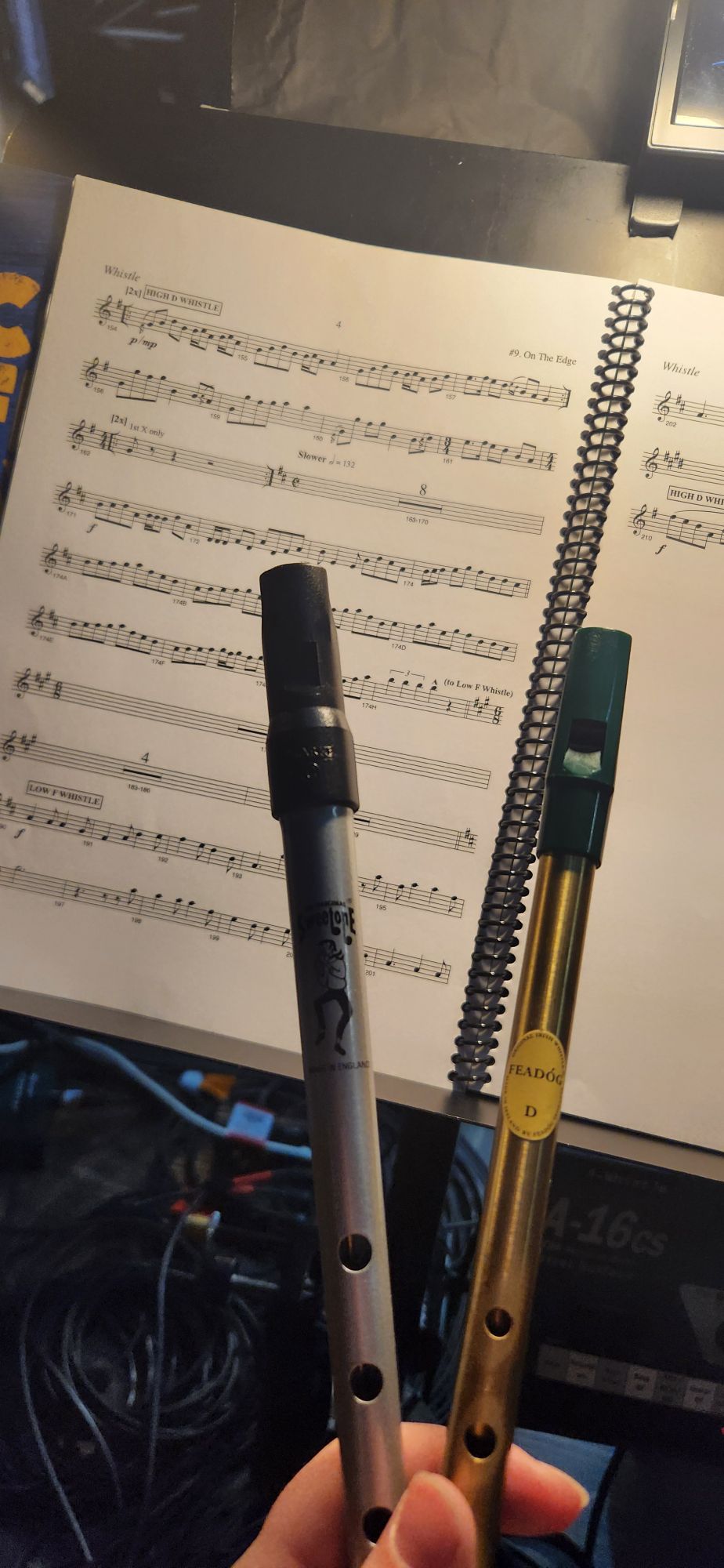
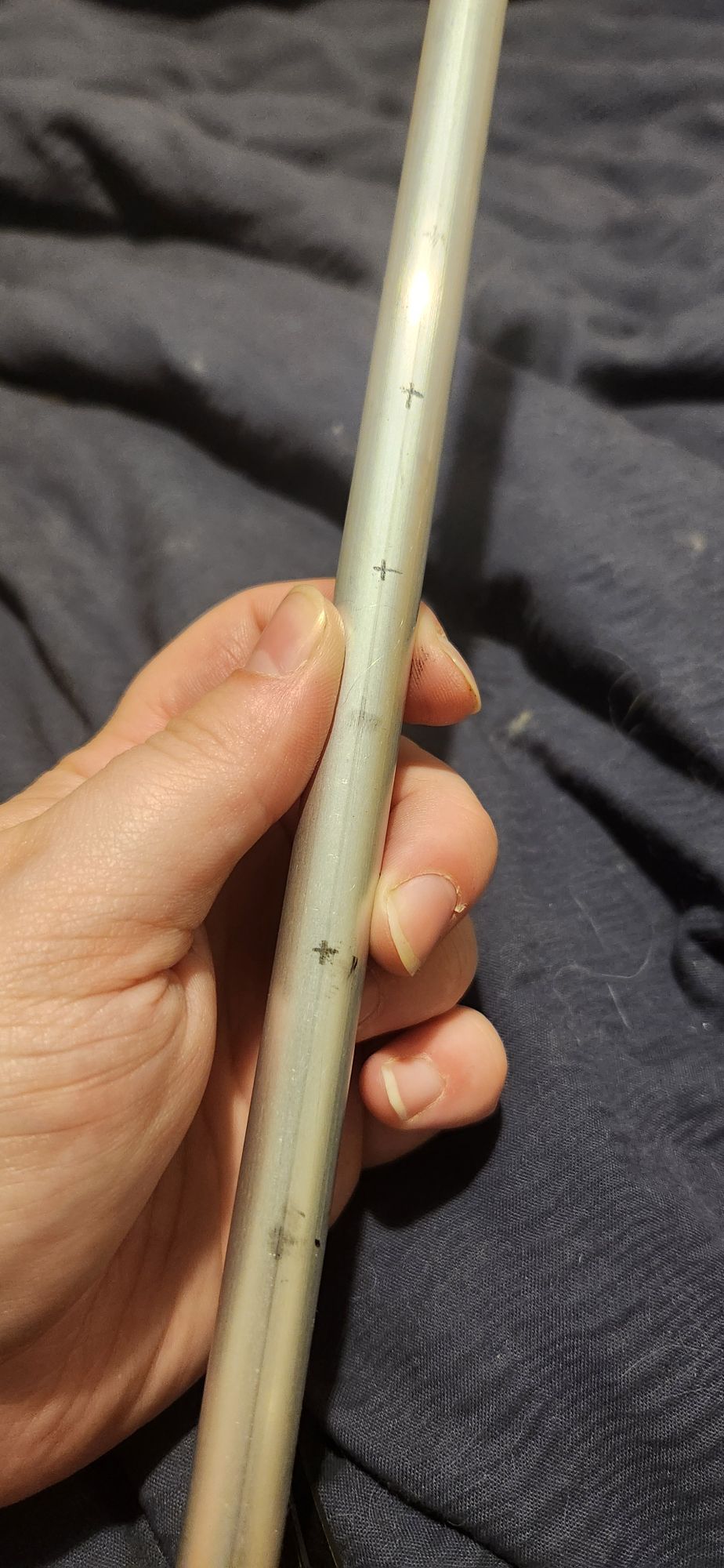
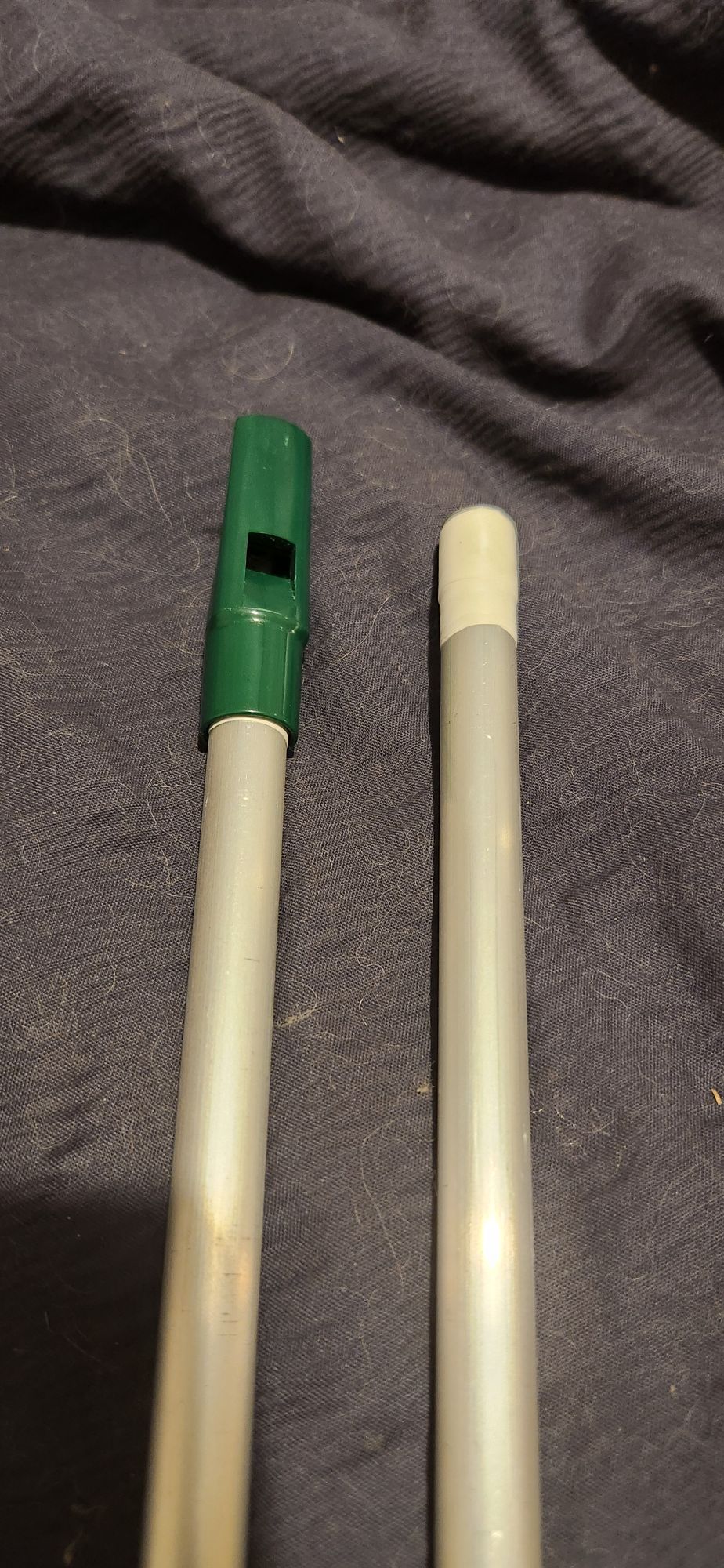
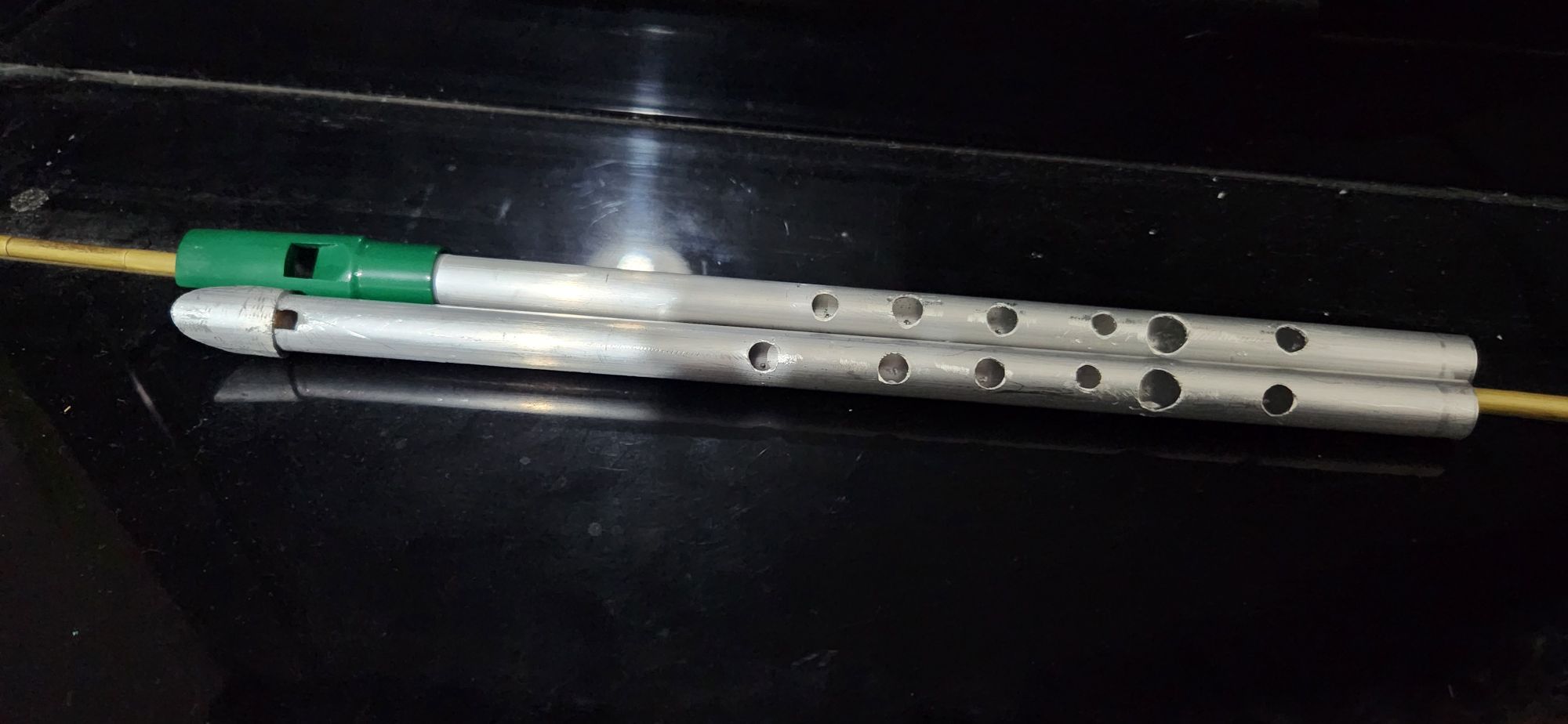
The “Come From Away” whistle book has 21 different instruments, changing frequently in the span of one song. There would be more instruments but some are actually the same whistle or flute listed by a different name. Of these, the Uilleann (Ill-in) Pipes were the only thing I could not source, so for the sake of 10 notes, this part was played on a whistle.
I ended up buying about a dozen whistles, making several more, and using an electronic wind instrument for some of the very low sounds. I had a flute and have since ordered a custom wooden Irish flute from a maker in Germany – due to be ready in 2027. For ALL of the purchased whistles, I also “tweaked” them to be tunable and produce better tones. I quite enjoy the process and now get to playing with a little Irish group that holds a jam every few weeks. I never know the tunes but they are so happy to teach me.
A competent and studious woodwind player could play this book, if they are prepared to work on their instruments, or the production company hire or buy all the whistles WELL in advance. I did see a production where the whistle player had not done their homework and was horrendously out of tune the entire time. Don’t be that person.


Leave a Reply